Tamil Nadu: Must CM Vijay Mention the Exact Bungalow He Will Stay In? Madras HC Poses Barrage of Questions

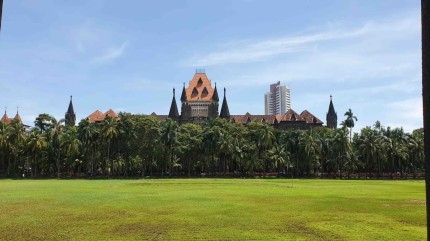
Chennai: The Madras High Court has raised a series of pointed questions while hearing a petition alleging that Tamil Nadu Chief Minister C Joseph Vijay concealed certain assets in his election nomination papers.
During the hearing, Justice V Lakshminarayanan questioned whether a candidate could be expected to disclose every minor detail of his assets, asking rhetorically whether the Chief Minister would even be required to specify in his nomination papers which bungalow he planned to reside in.
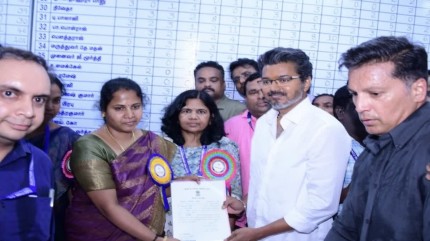
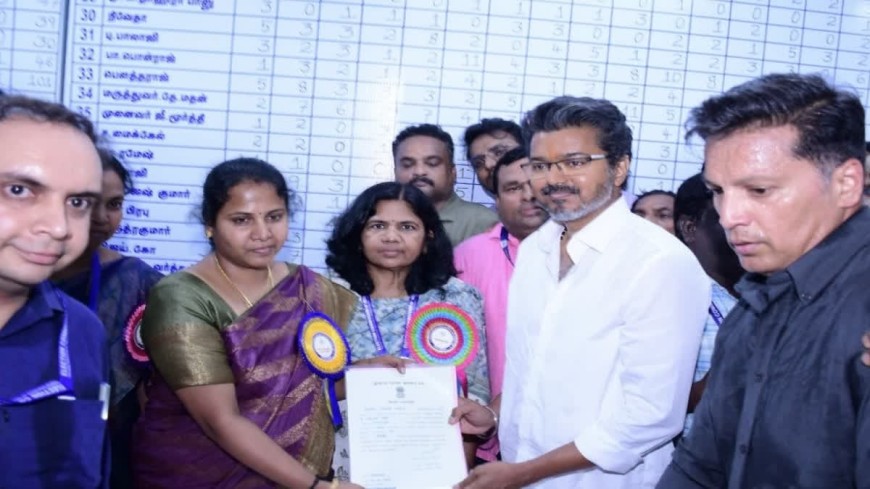
Chief Minister Vijay won the Perambur Assembly constituency by 53,715 votes. Separate election petitions challenging his victory have been filed before the Madras High Court by voters Dinesh and Lakshmi Narasimhan and DMK candidate R D Sekar.
Vijay has approached the High Court seeking dismissal of the election petitions. The final hearing on his plea continued for the third consecutive day on Wednesday.
During the hearing, the lawyer appearing for the voters alleged that Vijay had concealed assets worth around ₹30 crore in Panruti in his nomination affidavit.
The lawyer argued that withholding information, concealing assets or furnishing incorrect details in an election affidavit could constitute an offence. He alleged that Vijay had undervalued certain high-value properties and suppressed assets worth ₹30 crore despite declaring immovable properties valued at around ₹230 crore.
The lawyer also pointed to Vijay's affidavit mentioning the purchase of government poramboke land in Kodaikanal. Citing Supreme Court judgments, he argued that an election victory could be set aside if suppression of material information in nomination documents was established, even if the undisclosed assets were comparatively small.
'Why Would He Deliberately Hide ₹30 Crore?'
After hearing arguments from both sides, Justice Lakshminarayanan questioned whether an election could be invalidated merely because a candidate possessing assets worth hundreds of crores failed to disclose a relatively small portion of them.
The judge asked what specific interest voters would have in every individual asset owned by Vijay and whether an inadvertent omission by a personal accountant could become a ground for challenging an election victory.
The court also observed that Vijay had been a prominent actor and questioned whether it was realistic to expect him to personally keep track of every property and asset owned by him.
“If he has declared assets worth around ₹600 crore, why would he deliberately conceal just ₹30 crore?” the judge asked.
The judge further questioned whether an omission made inadvertently could by itself provide grounds for setting aside an election victory.
In a pointed observation, the court asked whether the petitioners would also expect Vijay to state in his nomination papers which bungalow he intended to live in in the future.
The judge also observed that voters generally make electoral choices based on factors such as political parties and election symbols, rather than scrutinising every asset detail contained in a candidate's affidavit.