Specialists Warn Chronic Pain Is An Invisible Epidemic

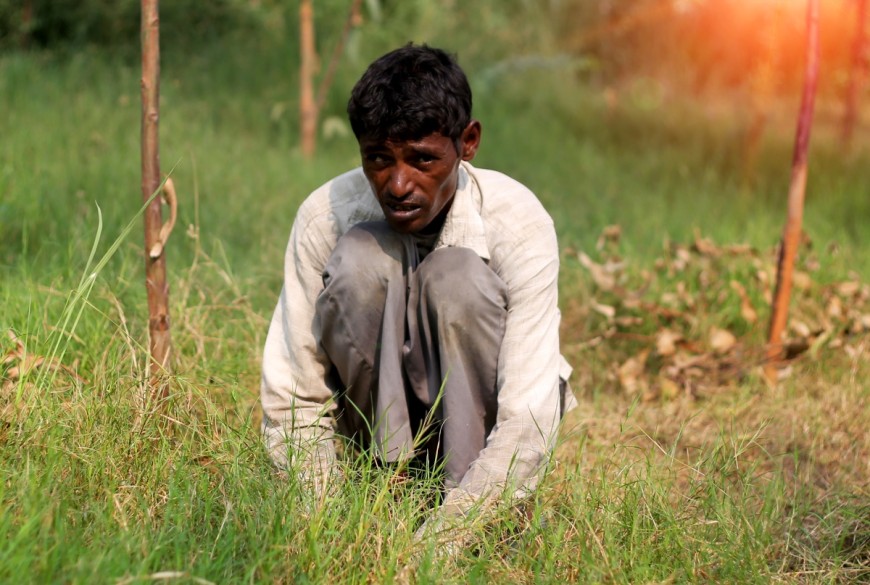
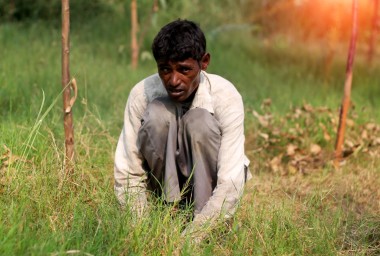
Every day, people from rural districts travel hours into cities carrying a burden that rarely makes headlines: chronic pain. The city's specialists are calling it the invisible epidemic. RusanMed's nationwide Independent Survey on Pain Management in India, which polled 746 doctors in 2025, found that 52.3?scribe pain management services in rural and underserved regions as mostly unavailable or inadequate, and 52.8% identify the shortage of trained healthcare professionals as the single biggest gap in pain care.
Back and neck pain have become a lifestyle condition across the country accepted by desk workers, daily commuters and physical labourers. Clinical research from AIIM shows that low back pain carries a 14.3% risk of progressing to long-term physical disability. The main cause of low back pain in rural areas is prolonged sitting, incorrect bending posture and daily stress. Despite this heavy toll, doctors observe that most people in these regions manage pain through self-care, relying on temporary balms, belts, and sheer endurance rather than seeking early medical evaluation.
Dr. Jeshnu Tople, Pain Management Specialist, Mitigate Pain Clinic, Nagpur, says, “In my clinic, patients tell me pain is part of farming, ageing, or of being a woman who works at home and in the fields. It is not. Persistent back or limb pain has identifiable causes and structured treatment options, from physiotherapy and lifestyle correction to modern prescription medicines. Enduring pain silently only deepens disability.”
The survey also exposed the extent to which patients turn to self-medication before consulting a doctor. Nearly 32% of doctors said this happens often, while another 31.8% said it occurs sometimes. The most common remedies include over-the-counter analgesics (69.6%), pain balms (49.3%), and home or herbal remedies (39.1%). Only 12.1% of respondents said patients rarely self-medicate.
Dr. Devendra Singh, Managing Director and Head of Department for Pain Management at Lapetos Super Speciality Hospital, Lucknow, says, “Every week I meet patients who have lived with pain for five or even ten years before walking into a clinic. By then, the pain has changed their sleep, their mood, their work, and their relationships. Chronic pain is a disease, not a test of endurance. The earlier it is assessed, the simpler it is to treat.”
Doctors may prescribe targetted therapies for moderate to severe chronic pain. Several of these are available as transdermal patches, a new-age delivery format that releases medicine steadily through the skin over days, offering consistent relief. For a patient travelling from a distant village, a physician-prescribed patch regimen can mean fewer trips, steadier relief, and better adherence, always under a doctor's supervisi