'Hanuman Ansh' Leads To Massive Footfall At Nainital's Kainchi Dham; 15000-20000 Devotees Visit During Weekends

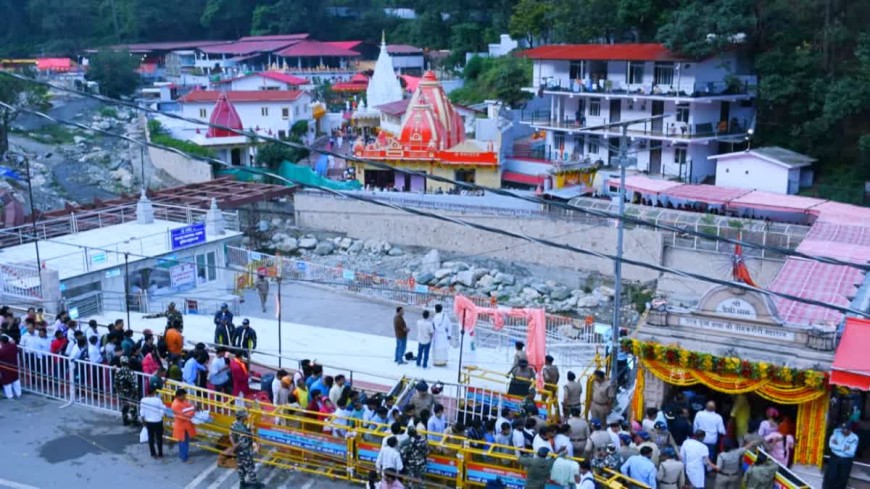
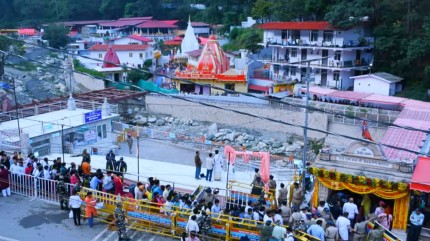
Dehradun: The recently released devotional film 'Hanuman Ansh' has triggered a massive footfall at Kainchi Dham, the famous shrine of Baba Neem Karoli in Uttarakhand's Nainital district.
Directed by Vishal Chaturvedi, 'Hanuman Ansh', which traces the early life and miracles of Baba Neem Karoli, has become a box office blockbuster and grossed nearly Rs 400 crore worldwide from a budget of Rs 2 crore.
Following its release on August 7, crowds of new devotees and tourists are flocking at the ashram, particularly during the weekends. According to Nainital Police, while previously 4,000 to 5,000 devotees would visit the shrine daily to seek Baba's blessings, the number has now crossed 6,000, with this figure climbing to around 15,000 to 20,000 on weekends.
Along with common people, numerous prominent figures from across India and abroad, including Apple co-founder Steve Jobs and Facebook founder Mark Zuckerberg, have visited Kainchi Dham in the past. However, the film has added a new dimension to religious tourism, renewing massive public interest in the saint's legacy.
For many, the Kainchi Dham is no longer merely a pilgrimage to a religious site but an attempt to experience firsthand the place associated with the story they discovered through the film.
Kainchi Dham is a spiritual site situated on the banks of the Shipra River, around nine kilometres from Bhowali on the Nainital-Almora route in Uttarakhand and Baba Neem Karoli shared a deep connection with this place.
Tourist Influx Boosts Local Businesses
Vikram, a tourist from Delhi, said, "I watched the film 'Hanuman Ansh' about a week ago. After seeing it, my desire to visit Kainchi Dham became much stronger than before. The film's sequences sparked a curiosity to learn more about Baba Neem Karoli's life, making it essential to visit Kainchi Dham to seek his blessings."
Vikram also visited Bhimtal and the Maa Naina Devi Temple in Nainital.
His companion Praveen said, "I had wanted to visit Kainchi Dham for a long time, but that desire intensified after watching the film. Along with Kainchi Dham, I also visited the Golu Devta Temple and the Maa Naina Devi Temple. Visiting Nainital and Kainchi Dham gave me a unique sense of peace."
The visit to Kainchi Dham is not limited to the temple alone as devotees also head towards Nainital, Bhimtal, and nearby tourist attractions after their visit. This has had a direct impact on local tourism and business activities.
Kamal, a hotelier in Nainital said, "Tourist footfall is increasing at Naini Lake, Mall Road, and nearby tourist spots. Interest in Kainchi Dham has surged among the public following the film and the stories associated with Baba Neem Karoli. Many tourists visit Kainchi Dham first and then come to Nainital to enjoy boating on Naini Lake. In essence, a journey rooted in religious faith is linking together an entire chain of tourism activities."
The sudden influx of devotees and tourists has impacted local businesses, including hotels, restaurants, taxi services, boat operations, and shops. Digvijay Singh Bisht, president of the hotel association said, "Tourism at Kainchi Dham has received a significant boost following 'Hanuman Ansh'. Devotees are arriving from far and wide for darshan, benefiting the local tourism sector."
Crowd, Traffic Management
Meanwhile, the rising turnout at Kainchi Dham has also increased the challenges of managing logistics and arrangements. Nainital SSP Manjunath TC said that due to the increasing footfall of devotees, greater attention is being paid to traffic, parking, movement of devotees, and crowd management. "The surge in devotees visiting Kainchi Dham has impacted the surrounding roads as well. Vehicle pressure along the Nainital-Kainchi Dham route has intensified, particularly during the tourist season and holidays."
The growing popularity of Kainchi Dham can be gauged from the fact that around 50 lakh devotees visited the shrine in the last nine months leading up to September 2026. The influx of such a vast number of devotees has transformed Kainchi Dham from a mere centre of religious faith into one of Uttarakhand's major religious-tourism destinations. Consequently, the government faces the challenge not only of transporting devotees to the shrine but also of upgrading the entire region's transport and tourism infrastructure to accommodate the surging crowds.
Helicopter, Ropeway Services For Visitors
In light of the increasing number of tourists, the state government has initiated preparations to launch a helicopter service between Haldwani and Kainchi Dham. Heritage Aviation Private Limited, the company providing the service, has requested land from the district administration for a helipad at Kainchi.
"There is immense demand regarding Kainchi Dham. Once the plan is approved, arrangements could be made to transport devotees from Haldwani to Kainchi Dham in about three minutes, similar to a shuttle service. The proposed fare is around Rs 1,000. However, a final decision will be reached only after discussions between the government and the company," said Ravindra Singh, base manager, Heritage Aviation Private Limited.
Key plans for improving access to Kainchi Dham include extension of ropeway projects from Kathgodam to Nainital and the Ranibagh-Hanumangarhi-Kainchi Dham route. Currently, the road network is the primary means of travel from Kathgodam into the hills. Winding hilly roads and the surge in vehicular traffic during the tourist season often create transportation challenges. In this context, the plan to extend the proposed ropeway to Kainchi Dham in the future could transform the way pilgrims and tourists travel.
Plans are afoot to operate a ropeway, spanning approximately 14.9 km from Kathgodam to Hanumangarhi, with preparations underway to extend it further to Kainchi Dham. The government estimates the project cost to be around Rs 2,800 crore. Under the proposed system, the ropeway will be capable of transporting around 1,800 passengers per hour. The journey from Ranibagh to Hanumangarhi is expected to take around 20 to 25 minutes.
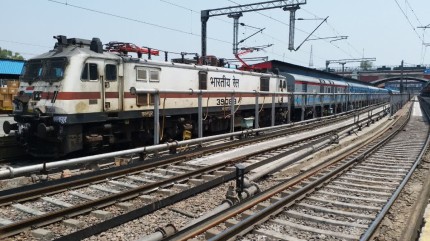
According to officials, the objective behind extending the project to Kainchi Dham is to create an alternative and more organised transport facility to handle the pressure of rising religious tourism. A key feature of this project is the plan to connect the Kathgodam railway station to the ropeway network. The proposal includes constructing a 250-metre-long foot over bridge, linking the railway station to the ropeway complex. This will enable passengers arriving at Kathgodam by train to reach the ropeway complex directly, eliminating the need to navigate the roads or search for separate transport.