Repeated Flu And Covid-19 Infections Linked To Higher Parkinson’s Risk, CCMB Study Finds

Hyderabad: Do viral infections like influenza and Covid-19 lead to severe neurological disorders? Does repeated exposure to viruses increase the risk of developing Parkinson's disease? A study conducted by scientists at the Centre for Cellular and Molecular Biology (CCMB) in Hyderabad has revealed key insights into these questions.
What exactly happens to the brain?
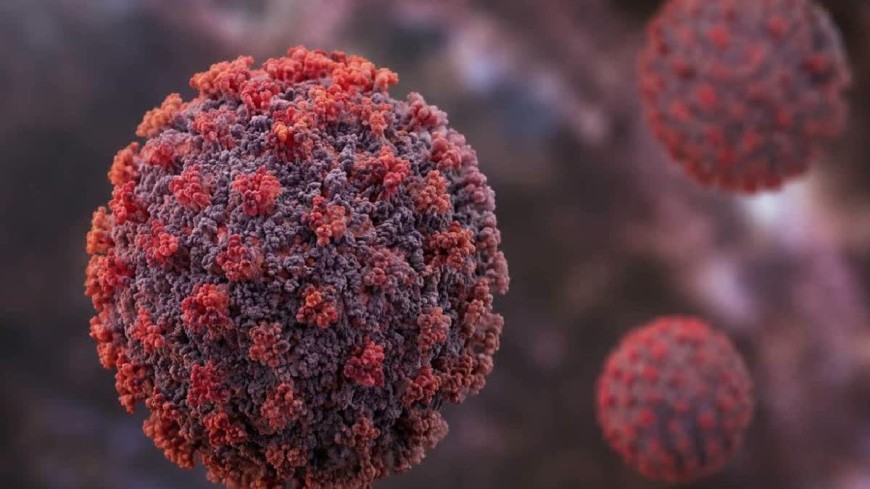
Influenza and Covid-19 are caused by RNA viruses. Typically, in the brains of individuals suffering from Parkinson's disease, a protein called alpha-synuclein accumulates into abnormal clumps. This disrupts communication between nerve cells.
RNA viruses contain three-dimensional structures known as RG4s. When these viruses enter the body, these structures bind with the alpha-synuclein protein in the brain and trigger the rapid formation of amyloid clumps, thereby increasing the risk of Parkinson's disease.
A natural defence system exists
Researchers have identified a cellular defence mechanism that activates during a viral attack. A protein named DDX39A, normally located in the cell nucleus, moves out to bind with the viral RG4s and alpha-synuclein. It disrupts the viral RG4 structures, thereby halting the spread of the virus. Anchal, a key researcher in the study, explained that this process not only reduces the viral load but also slows down the rate at which alpha-synuclein aggregates into amyloid clumps.
Changes in biochemical reactions
Dr Swasti Raychaudhuri, who led the research, clarified that not every viral infection leads to Parkinson's disease. However, she revealed that the risk increases significantly with repeated infections. She noted that although cells possess protective mechanisms, biochemical reactions can undergo changes depending on the circumstances.
The findings of this research have been published in the prestigious international scientific journal ‘Cell Reports.’ The team is currently conducting further in-depth research into how common viral infections can lay the groundwork for Parkinson's disease in the future.