Hydrogen vs LNG Train: How India’s two alternative-fuel trains differ on range, cost, technology and emissions

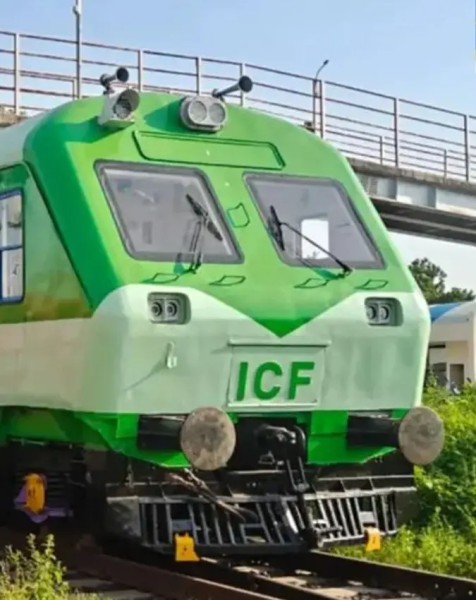
Hydrogen vs LNG Train: Hydrogen-powered and LNG-powered trains use distinct alternative-fuel technologies to lower carbon emissions in non-electrified rail sectors.
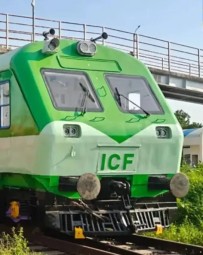
Hydrogen vs LNG Train: After the successful launch of the country's first hydrogen train, the Indian Railways has introduced the first LNG-diesel dual-fuel DEMU train. It was launched from Gujarat's Sabarmati on Sunday, September 27. Let's explore how the hydrogen and LNG trains are different in range, fuel consumption, technology, and other aspects.
The new DEMU train, which uses a dual-fuel system, enables the engine to run on both LNG and diesel. These trains can switch between the two depending on fuel availability and operational requirements. Indian Railways has converted two 1,400 HP Driving Power Cars (DPCs) at the Sabarmati Integrated Coaching Depot in Gujarat for the project. The system replaces about 40% of diesel consumption with Liquefied Natural Gas, lowering carbon emissions.
The first LNG-powered train commenced its inaugural run between Sabarmati and Mahesana Junction. The train comprises eight coaches and has non-AC chair car seating. Details on its regular route and operations are likely to be announced soon.
Each DPC has an LNG tank holding around 2,200 litres, approximately 950- 1,000 kilograms of usable Liquefied Natural Gas. The project estimates that one Driving Power Car can cover nearly 444 kilometers on a full LNG load.
Indian Railways introduced the first hydrogen train between Jind and Sonipat on July 17, 2026. The train had covered over 1,200 km by July 25, saving more than 3,200 litres of diesel. It is designed to use a fuel-cell system in which hydrogen and oxygen produce electricity onboard. Water vapour is the direct by-product. The hydrogen-powered train comprises ten coaches, including two Hydrogen DPCs, and generates a total power output of 2,400 kW.