
Swiss Research Says Cold Showers Are Not Only Good For Your Health But For Your Wallet And The Environment Too

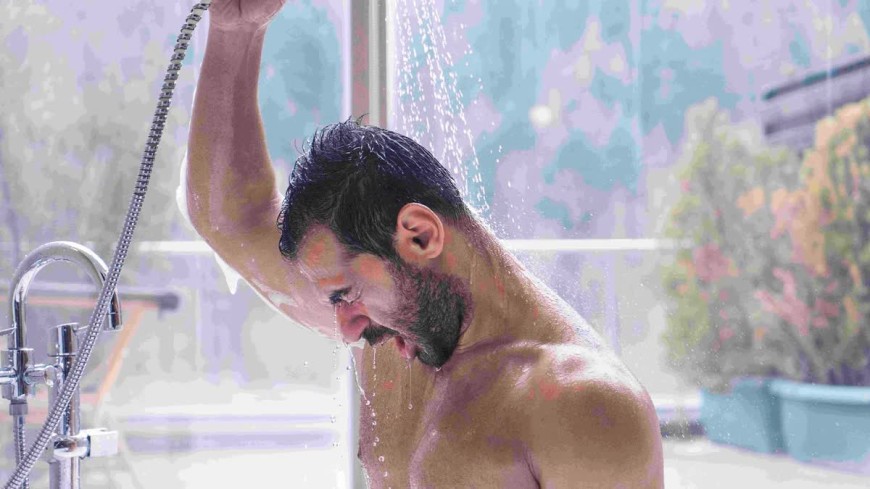
In her recently completed doctoral dissertation at the Faculty of Psychology, psychologist Dr. Lena Glaser explored whether people are more willing to adopt habits that benefit both the climate and their health if those habits are easy to incorporate into everyday life and offer personal rewards. She investigated this question by studying the effects of regular cold showers.
“When people talk about changing their behaviour to protect the climate, the discussion usually centres on transportation, diet or recycling,” Glaser says. But in these areas, sweeping measures such as banning flights or serving only vegetarian meals in workplace cafeterias often meet with resistance. For some, it even feels like their lifestyle choices are being policed, despite knowing that flying contributes to climate change and that eating meat has negative consequences for both the environment and their health.
Fewer Sick Days
The study included 719 participants aged 18 to 65 who were asked to take showers as cold as their shower would allow for 12 weeks. To qualify, they had to be in good health and not already take cold showers. Many participants dropped out during the first two weeks, but the dropout rate declined afterward. “That suggests people gradually get used to it,” Glaser concludes. As the study progressed, the remaining participants reported feeling increasingly better, both mentally and physically. According to Glaser, these subjective improvements also showed up in their sick leave: On average, participants took 31?wer sick days than the control group.
Good For The Environment And Your Wallet
When asked about the immediate benefits of a cold shower, participants said they felt more awake and refreshed. They also took pride in having pushed themselves to do something uncomfortable. “Experiences like these can be motivating,” Glaser says.
Over time, taking cold showers also saves you money. People tend to spend less time in the shower, reducing their water consumption. They also use less energy because the water doesn't need to be heated. For a 45-liter shower, lowering the water temperature from 40°C to 15°C saves 1.3 kWh of energy. That means lower utility bills and a measurable reduction in CO2 emissions. Over the 12-week study, participants reduced their CO2 emissions by 15 kg per person, roughly equivalent to the emissions from driving 100 kilometers. In other words, cold showers make sense both environmentally and financially.
More generally, Glaser says, “When people see a personal benefit from changing their behaviour and don't feel that they're giving something up or missing out, they're more motivated to stick with it.” Whether participants continued taking cold showers after the study ended is unknown. It's also unclear how environmentally conscious they were in other areas of their lives.
Find The Temperature That Works For You
Glaser has encouraging news for anyone who still dreads stepping into a cold shower: Even small changes in water temperature can have a positive effect. It doesn't have to be all or nothing. “If we force ourselves to give up every comfort and pleasure, it will eventually take a toll on our well-being and mental health. And getting sick doesn't help the environment either,” she said.
Anyone interested in trying cold showers can start gradually, test their limits, and perhaps push them a little further over time. “The water doesn't have to be equally cold every day. We don't feel equally brave every day, and that's okay,” Glaser says.
For someone trying it at home, the study's instruction to shower “as cold as possible” could be interpreted a little differently: Make the water as cold as you feel comfortable with that day. “It's important to listen to your body and pay attention to how you feel. But sometimes it's worth pushing yourself a little.” (University of Basel)