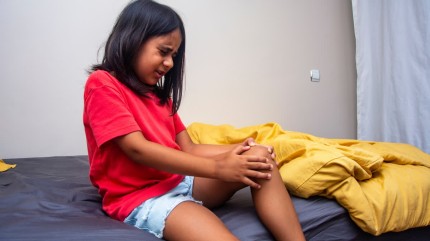
Joint Pain In A Child Isn't Always About Growing Pains, It Could Be Juvenile Idiopathic Arthritis

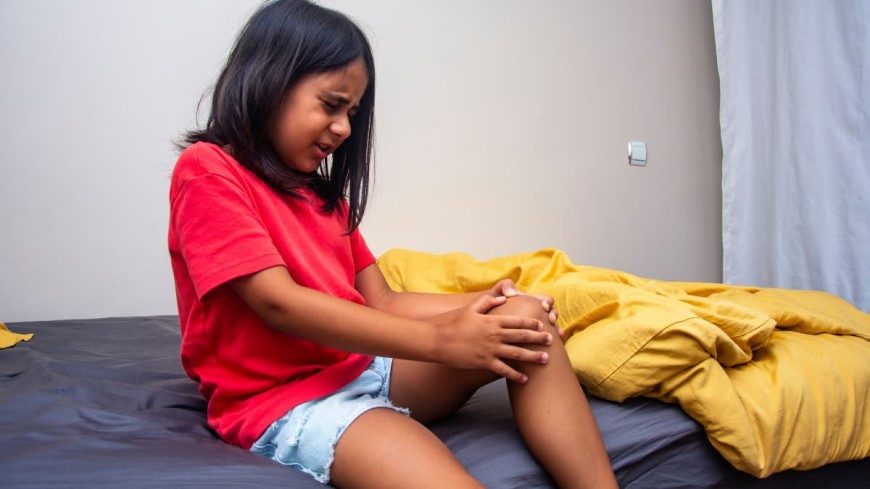
Observed every year on October 12, World Arthritis Day emphasizes the value of recognizing arthritis, comprehending its impact and ensuring timely medical care. Getting the right diagnosis early is important, particularly in children, because continued inflammation of joints can affect mobility, school attendance, physical activity and, in some cases, normal joint development.
Arthritis Can Also Affect Children
Joint pain is something we think of as an older person’s problem. Arthritis, however, can also affect children and teens.
Says Dr. Jaideep Dhamele, Consultant – Pediatric Orthopedics, Narayana Health SRCC Children’s Hospital, Mumbai, “If your child wakes up with a limp, has difficulty going up and down stairs, avoids playing or has difficulty in normal activities it may be more than simple muscle pains. Sometimes, the symptoms are confused with growing pains, which can delay diagnosis of an underlying joint condition.”
Dr. Dhamele told ETV Bharat all about juvenile idiopathic arthritis (JIA), which is a group of inflammatory joint disorders that begin before the age of 16 years and last for at least six weeks after other possible causes have been ruled out.
Unlike pain from a fall or sports injury, JIA may develop gradually. Joint swelling, stiffness after waking up, reduced movement or difficulty performing routine tasks are signs. Younger children might not be able to articulate their discomfort well. Instead, parents might notice that their child is using one arm less, refusing to walk, asking to be carried or less active than usual. Symptoms can be very variable. Some children have problems that only affect a few joints whereas others may be more widespread. Certain types of JIA can also affect the eyes, sometimes without any obvious symptoms. So, if recommended by the specialist, it is important to have appropriate medical follow-up and eye examinations.
Are They Growing Pains Or More Serious?
Growing pains are common in childhood. They usually present as aching in the muscles of both legs, often in the evening or at night, and usually resolve by the morning. Persistent morning stiffness, a constant limp or swollen joints are not usually a feature.
Some symptoms need urgent medical attention. A joint that is hot, swollen and painful, along with a fever, can be a sign of a joint infection or another serious condition. If a child suddenly can't bear weight or walk, this also needs urgent assessment. These symptoms should not be written off as growing pains or treated with home remedies alone.
The Importance of Early Diagnosis
Children need healthy mobile joints to grow, learn and participate in everyday life. Continuous inflammation can lead to pain, decreased mobility and affect school attendance, sports and social activities. Sometimes uncontrolled inflammation can be damaging to joints or can interfere with growth.
“Diagnosis begins with a complete medical history and physical exam. A doctor may order blood tests, X-rays, ultrasound or other imaging tests depending on the symptoms. There is no one test that can prove every type of arthritis. Some children with JIA may have normal blood tests. Diagnosis is based primarily on clinical assessment by an experienced doctor,” Dr. Dhamele informs us.