
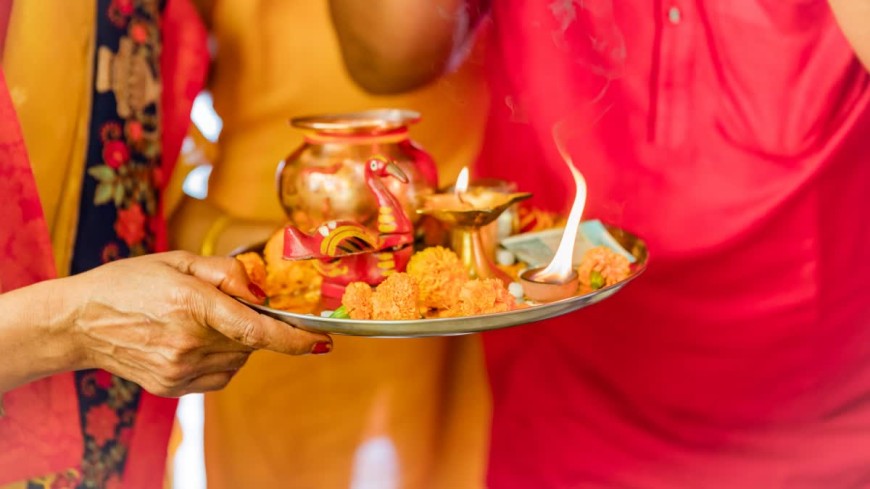
Navratri is one of the most loved festivals of India. It marks the victory of good over evil, and honours Goddess Durga through her nine incarnations. For many people, Navratri is a period of worshipping, praying and fasting for nine days. Fasting was originally intended to subdue the senses, promote self-restraint, enhance discipline and create an atmosphere conducive to inner reflection.
Says Dr. Archana Pate, Consultant – Internal Medicine, Fortis Hospital, Kalyan, “Studies have shown that fasting triggers a series of biological shifts that transition the body from burning sugar to utilizing stored fat, activating cellular repair mechanisms, and improving metabolic resilience. But it is important to take care of our health during this period. The effect of fasting on the body depends on how it is followed. It does not necessarily make a person healthy; rather, it is crucial to know what the body requires over the course of these nine days.”Be cautious during fasting. Lack of normal eating cannot guarantee good health, is Dr. Pate's advice.
Stay Hydrated
It is important to drink enough water, especially in cases where the surrounding is warm or one has physically strenuous daily activities. Dizziness and headache are signs of dehydration. Drink water at regular intervals during the day; don't wait until you feel thirsty.
Do Not Overeat
Over-consumption of junk foods such as fried snacks, sweets, and spicy dishes made during fasting preparations may cause acidity and digestive disorders. Naturally, after being on an empty stomach for several hours, you may feel hungry; however, don't eat in excess as it may make you uncomfortable. Eat small portions of food and chew slowly.
Eat Balanced Foods
Don't restrict your diet to potatoes, sabudana, or other starchy foods. Add fruits, vegetables, nuts, curd, milk and protein in your diet. Eat foods which are boiled, steamed or sauteed.
Be Careful If You Have A Medical Condition
People with diabetes, kidney disease, heart conditions or other chronic illnesses should consult their doctor before fasting. Variations in food consumption and hydration will influence your glucose levels, blood pressure, and general wellness.
Don't Modify Your Diet On Your Own
Do not miss your medicines or vary their dosage. Don't make any changes to your medication schedule. Check with your doctor before starting your fasting in order to know how you will take your medications during this fasting period.
Beware Of Possible Symptoms
In case you find yourself starving for several hours or eating little, you may end up feeling dizzy or weak. Don't ignore weakness, dizziness, unquenchable thirst, palpitations, or confusion.
Find A Balance
Navratri is an occasion of devotion and joy but we must not forget about our well-being. Fasting should not make us tired or aggravate our existing health issues. We should follow tradition but still take care of ourselves, so that we can observe Navratri with honour and good health.